Simple Steps to a Clutter-Free Life with Expert Guidance

In today's fast-paced world, clutter can quickly accumulate, leading to stress and reduced productivity. With the right approach, anyone can transform their living space into a sanctuary of calm and order. Let's explore expert advice to achieve a clutter-free life effortlessly.
Understanding the Impact of Clutter on Your Life
Clutter can affect us more than we realize, influencing our mental health, productivity, and overall quality of life. Recognizing its impact is the first step toward change.
Living in a cluttered environment can induce a state of constant distraction, impairing one's ability to focus and complete tasks efficiently. Studies suggest that clutter can increase stress levels, leading to decreased well-being and higher levels of frustration. When your home is in disarray, it might feel like there's no escape from the chaos. On the contrary, a well-organized space fosters creativity and peace of mind, allowing you to thrive in all aspects of life.
Moreover, the physical and emotional burden of clutter can lead to conflicts with family members or roommates. Shared spaces, when left unmanaged, often become a source of tension and argument. However, by addressing the matter positively and collaboratively, you can strengthen relationships and create a more harmonious living environment. You may find more practical guidance on minimizing stress and maximizing comfort through professional design solutions.
Identifying Areas of Clutter in Your Home
Discover practical ways to pinpoint cluttered areas in your home and understand the underlying reasons why clutter might accumulate in these spaces.
Begin by walking through your home with a fresh set of eyes. Hallways, kitchen countertops, and entryways are common hotspots for clutter accumulation. However, these areas are often overlooked, as they transition spaces rather than destinations. A quick way to spot clutter is by looking for surfaces covered with unneeded items, such as mail, keys, or clothes. Once you've identified clutter-prone zones, delve deeper into the root causes. Consider if habits, space constraints, or simply lack of time contribute to the mess.
A classic method to spot clutter is by assessing how often each item is used. For instance, if you find yourself repeatedly stepping over shoes or jackets on the floor, it might be a cue that your storage solutions need rethinking. Likewise, digital clutter can be equally distracting. Email inboxes, desktop screens, and smartphone apps often hoard unnecessary files, making it difficult to find what you need when you need it. Addressing both physical and digital clutter will ensure a holistic approach to a tidy life.
Decluttering Essentials: Tools and Techniques
Equip yourself with essential tools and techniques that experts recommend for tackling clutter effectively, ensuring a methodical and stress-free process.
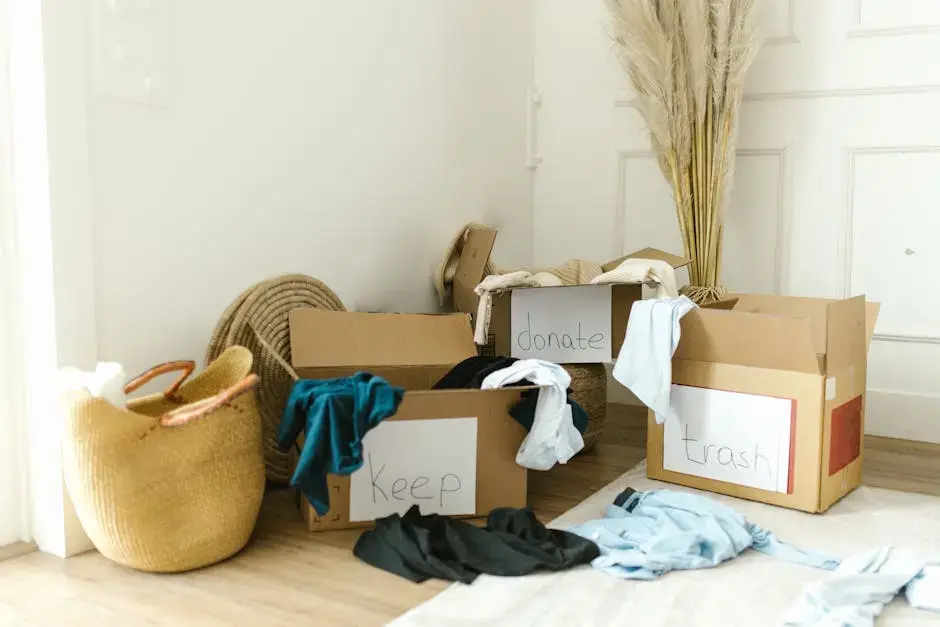
When embarking on your decluttering journey, a few basic tools can make all the difference. A trusty bin for trash, a shredder for old paperwork, and organizational containers can streamline the process. Starting with a three-box method—designate containers for 'keep', 'donate', and 'discard' items—keeps the process organized and straightforward. As decluttering can be emotionally taxing, setting aside designated decluttering slots in your weekly schedule can prevent burnout and maintain momentum.
Experts suggest focusing on one room at a time to avoid overwhelm. Begin with areas that have the most significant impact on your daily routine. The popular technique of 'tackling the visible mess first' quickly transforms a room and motivates further progression. Moreover, enlisting family members or friends for a decluttering challenge turns the task into a fun and engaging event, providing accountability and support.
The Art of Letting Go: What to Keep, What to Discard
Learn how to make thoughtful decisions about what truly serves you, allowing yourself to let go of items that no longer align with your needs and values.
Letting go of possessions can be a daunting task. Every item carries a story, making the decision to part with it challenging. However, embracing the concept of minimalism—retaining only items that spark joy or serve a functional purpose—can ease the process. When you hold an item, ask yourself, 'Does this bring me happiness, or does it serve a core function in my life?' If the answer is no, it may be time for it to move onto a better place where it can be appreciated or more useful to someone else.
Clinging to the 'just in case' mentality often hinders substantial progress toward decluttering. Challenge yourself by setting a timeline for items that haven't been used. If something hasn't seen the light of day in over a year, chances are it's no longer serving its intended purpose. Sentimental items, while difficult to discard, can often be digitized or condensed to preserve the memory without occupying physical space.
Creating Sustainable Habits for a Clutter-Free Lifestyle
Explore expert tips on maintaining a clutter-free environment by building sustainable habits, ensuring that your home remains a place of tranquility and order.
Sustaining a clutter-free lifestyle is about embedding new habits into your daily routine. A helpful practice is the 'one in, one out' rule: for every new item brought into your home, an old one must be removed. This prevents accumulation and encourages mindful consumption. Another effective strategy involves regular, short tidying sessions rather than sporadic, extensive cleanups. For instance, dedicating just 15 minutes each day to tidying a designated area can alleviate the time burden and keep spaces consistently clean.
Furthermore, cultivating a mindset of gratitude and appreciation towards your possessions can reinforce the desire to maintain an orderly space. Organize belongings in a way that makes them easily accessible and visible; this reduces the likelihood of clutter forming. By gradually incorporating these habits, you pave the way for a more organized, less stressful life. For a more structured approach, consider professional insights on establishing home organization practices..
Start Your Clutter-Free Journey Today
Embracing a clutter-free lifestyle is not just about tidying up—it's about creating a space that supports your wellbeing and enhances your everyday life. By following these expert tips, you can enjoy a serene environment that nurtures your mind and spirit.


Comments